 (309) 701-0897
Basement waterproofing is a critical component of maintaining a home’s structural integrity and protecting its occupants’ health. Water intrusion not only compromises the foundation but also creates an environment ripe for mold, mildew, and other issues that can affect indoor air quality. A robust waterproofing strategy combines proven techniques with an understanding of the unique challenges posed by each home’s location and design.
The first sign of a basement water problem might be as subtle as a musty odor or as overt as standing water after heavy rainfall. Regardless of how it presents itself, moisture in the basement is a symptom of a larger issue that must be addressed at its source.
Water enters basements primarily due to two forces: hydrostatic pressure and capillary action. Hydrostatic pressure occurs when water-saturated soil pushes against the foundation walls, seeking any cracks or weak points to infiltrate. Capillary action, on the other hand, draws water up through porous concrete, even in the absence of visible cracks. These forces are amplified in regions with high water tables or heavy rainfall, making effective waterproofing an essential investment.
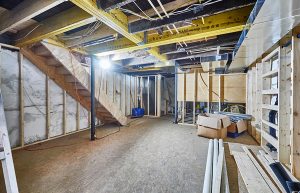 The first line of defense against water intrusion lies outside the home. External waterproofing measures are designed to redirect water away from the foundation, minimizing the pressure it exerts on basement walls.
One of the most effective methods is applying a waterproof membrane to the exterior walls of the foundation. These membranes create an impermeable barrier, preventing water from seeping through porous materials. In many cases, membranes are supplemented with drainage boards or panels, which guide water down to an external drainage system.
A properly designed drainage system is another critical component of exterior waterproofing. French drains, for example, are trenches filled with gravel or rock and a perforated pipe that collects and redirects water away from the home. Gutters and downspouts also play a vital role by channeling rainwater off the roof and away from the foundation. Ensuring these systems are well-maintained and free of clogs is essential for their continued effectiveness.
While exterior solutions are designed to prevent water from reaching the basement, interior waterproofing focuses on managing water that has already made its way inside. Interior systems are often easier and more cost-effective to implement, especially in situations where exterior excavation is impractical.
A key element of interior waterproofing is the installation of a sump pump system. Sump pumps collect water in a basin and pump it away from the home, preventing it from pooling on the basement floor. Advanced sump pump systems often include backup power sources to ensure they continue to operate during power outages.
Interior drainage channels, such as perimeter drains, work in tandem with sump pumps. These channels are installed along the base of the foundation walls, capturing water that seeps through and directing it to the sump pump basin. Together, these systems provide a comprehensive solution for managing basement water.
The condition of the soil and landscaping around a home significantly impacts the effectiveness of waterproofing efforts. Certain soil types, such as clay, retain water and exert greater hydrostatic pressure on foundation walls. Sandy soils, while better at drainage, may shift and create gaps that allow water to penetrate.
Landscaping also plays a crucial role. The slope of the yard should direct water away from the home, rather than allowing it to pool near the foundation. Homeowners can enhance drainage by incorporating features such as swales—shallow ditches that guide water away from the house—or installing rain gardens to capture and absorb runoff.
Water intrusion in basements often leads to the growth of mold and mildew, which thrive in damp, dark environments. These microorganisms not only damage building materials but also release spores into the air, reducing indoor air quality and posing health risks.
Mold remediation can be costly and time-consuming, making prevention through effective waterproofing all the more important. In addition to keeping water out, measures such as using dehumidifiers and ensuring adequate ventilation can help maintain a dry basement environment and prevent mold growth.

While some aspects of basement waterproofing can be managed by homeowners, such as cleaning gutters or applying interior sealants, many solutions require professional expertise. Professionals bring specialized knowledge and equipment to diagnose the root causes of water intrusion and implement comprehensive solutions.
For instance, installing an exterior waterproof membrane or a complex drainage system often involves excavation and precise application techniques that are beyond the scope of most DIY projects. Additionally, professional waterproofing companies typically offer warranties, providing peace of mind that the work is built to last.
Basement waterproofing is an investment that pays dividends in terms of home value, safety, and comfort. A dry, secure basement not only protects against immediate water damage but also allows homeowners to make full use of the space. Finished basements, for example, can serve as additional living areas, home offices, or storage spaces without the worry of water intrusion.
Waterproofing also enhances energy efficiency. By preventing moisture from entering the basement, homeowners can reduce the strain on heating and cooling systems, leading to lower energy bills. Moreover, a dry basement creates a healthier indoor environment by eliminating the conditions that foster mold and mildew growth.
As climate patterns shift and extreme weather events become more common, the importance of robust waterproofing systems continues to grow. Heavy rainfall, flash floods, and rising water tables pose significant challenges for homeowners, making it essential to adapt waterproofing strategies to these changing conditions.
Modern waterproofing technologies, such as advanced sump pump systems and high-performance membranes, are designed to meet these challenges head-on. Homeowners who invest in these solutions can better protect their properties against the unpredictability of weather-related water damage.
Basement waterproofing is a cornerstone of home maintenance that safeguards the foundation, improves indoor air quality, and enhances the overall functionality of the space. Whether addressing existing water issues or proactively preventing future problems, a well-executed waterproofing strategy is essential for preserving a home’s value and integrity.
By understanding the principles of water dynamics, utilizing both external and internal waterproofing measures, and enlisting professional expertise when needed, homeowners can create a resilient barrier against water intrusion. In doing so, they protect not only their property but also the comfort and well-being of everyone who lives there.
Contact the Professionals at Basement Systems Waterproofing & Foundation Today! (309) 701-0897

Justin Hidden is the dedicated owner of Basement Systems Waterproofing and Foundation, a trusted company specializing in basement waterproofing and foundation repair. With years of experience in the industry, Justin has built a reputation for delivering reliable, high-quality solutions that protect homes and ensure lasting structural integrity. Under his leadership, Basement Systems Waterproofing and Foundation has become a go-to provider for homeowners in need of expert waterproofing and foundation services. Justin’s commitment to excellent customer service, combined with his technical expertise, has earned the company the loyalty and trust of clients throughout the region. For more information on Justin Hidden and the services provided by Basement Systems Waterproofing and Foundation, visit their website at kmagbasementsolutions.com.