 (309) 701-0897
Ever noticed a musty scent wafting from your basement? You’re not alone. This common problem is often due to mold and mildew, flourishing in the damp, dark corners of your space. It’s more than just an unpleasant smell – it could signal potential health risks. But don’t worry, it’s not a lost cause. By improving ventilation, controlling humidity, and regularly inspecting for leaks, you can tackle the issue head-on. Imagine a fresh, odor-free basement. Intrigued? Let’s explore how you can achieve this.
If you’ve ever walked into your basement only to be hit with a damp, musty smell, you’re not alone. This odor is commonly associated with basements and can be quite unpleasant.
But what exactly is that musty smell? Essentially, it’s an olfactory signal that your basement mightn’t be in the best condition.
The musty smell typically signifies the presence of mold or mildew, which thrive in damp, dark environments. When mold and mildew break down dead organic material, they release gases known as microbial volatile organic compounds (MVOCs). It’s these MVOCs that you’re smelling when your basement has that distinct musty odor.
However, it’s not just about the unpleasant smell. The presence of mold and mildew can have serious health implications, especially for those with allergies or asthma.
Moreover, the conditions that allow mold and mildew to thrive can also lead to structural damage to your home. The musty smell is more than an annoyance—it’s a warning sign that shouldn’t be ignored.
It’s essential to address the issue promptly for the well-being of your home and your family.
You might be wondering what could cause your basement to emit such a musty odor. There are several factors contributing to this unpleasant smell.
Poor ventilation is a common culprit. If your basement is poorly ventilated, it can trap odors and create a stale environment.
Another significant cause is the presence of mold and mildew, which thrive in the cool, dark, and often humid conditions found in many basements. Mold and mildew emit a characteristic musty scent, which can permeate your entire home if not addressed.
Additionally, pests such as rodents or insects can also contribute to the odors in your basement. Their waste and remains, if present, can produce a strong, unpleasant smell.
Certain construction materials, like concrete, can also absorb and retain odors over time. If these materials have been exposed to moisture or other odor sources, they can emit a persistent musty smell.
You might be wondering why basements are particularly prone to dampness.
It’s mainly because they’re mostly located below ground level, making them vulnerable to moisture seeping in from the surrounding soil or from rainfall.
This persistent dampness not only gives your basement that musty odor, but it can also lead to other issues like mold growth and structural damage.
Often, basements become the unfortunate victims of moisture and dampness due to their location and design. Being below ground level, they’re naturally prone to increased humidity and water accumulation. This unique positioning makes them more susceptible to moisture seepage, especially during heavy rains or snow melting.
The design of your basement, too, plays a significant role in its vulnerability to moisture. Many basements lack proper ventilation, which exacerbates the issue, as the dampness has no way to escape. This lack of airflow can lead to the buildup of humidity, creating a perfect environment for mold and mildew, the likely culprits for that musty smell.
Moreover, the materials used in your basement’s construction can also make it more attractive to moisture. Concrete, widely used in basement construction, is porous by nature. This means it can absorb and retain moisture, leading to damp conditions over time.
Understanding these factors helps you realize why your basement may have a musty smell. In the next section, we’ll explore further into why dampness can be a persistent issue in basements, and what you can do to combat it.
Almost every homeowner has struggled with basement dampness at some point. This persistent issue is more than just a nuisance. It’s a symptom of underlying problems that can lead to serious damage if not addressed.
Firstly, understand that basements are prone to dampness due to their location. Being the lowest point in your home, they naturally attract moisture. Water in the soil surrounding your home’s foundation can seep into the basement, especially after heavy rainfall or snow.
Secondly, poor ventilation exacerbates the problem. Without proper airflow, any moisture that does get into your basement can’t easily evaporate. This is why basements often feel humid and smell musty.
Thirdly, note that dampness can have serious repercussions. It encourages the growth of mold and mildew, which not only add to the musty smell but can also cause health problems. Additionally, persistent dampness can damage your home’s structure, leading to costly repairs.
Addressing basement dampness is hence essential. It’s not just about getting rid of that musty smell. It’s about protecting your home and your health.
In the following sections, we’ll explore how you can tackle this issue effectively. Stay tuned.
Musty basements don’t just pose an olfactory nuisance; they can also present a significant health risk. The musty smell is typically an indicator of mold or mildew growth, both of which thrive in damp, dark environments. This growth can release spores into the air you breathe, potentially causing significant harm to your health.
Prolonged exposure to these mold spores can trigger allergies, causing symptoms like sneezing, itching, and watery eyes. For those with asthma or other respiratory conditions, the situation can be even worse. Mold spores can exacerbate these conditions, making symptoms more severe and leading to frequent asthma attacks or respiratory distress.
Moreover, certain types of molds produce toxic compounds called mycotoxins. Exposure to these toxins can lead to more serious health problems such as neurological issues and, in extreme cases, death.
The musty smell in your basement isn’t just unpleasant; it’s a warning. It’s telling you there’s a potential health risk lurking in the shadows. Don’t ignore it. Instead, take steps to identify the source and rectify the problem. Your health could depend on it.
Regularly inspecting your basement is essential to identify the source of the musty smell.
Begin by checking for visible signs of mold or mildew. These culprits often appear as dark spots on walls, floors, and any wooden structures.
Don’t forget to look behind furniture and appliances, as these spots can be hidden.
Next, examine any stored items. Old books, clothing, or cardboard boxes can harbor mold spores, contributing to the musty scent.
If you find anything suspicious, remove it from the basement for further inspection and cleaning.
Check if your basement has proper ventilation. Poorly ventilated areas often trap moisture, creating a conducive environment for mold growth.
Inspect your ventilation systems and verify they’re functioning well.
Lastly, look for any signs of water leakage or dampness. Wet spots on the walls, floor, or ceiling can indicate a water problem.
Also, consider the humidity levels. High humidity can promote mold growth, so it’s advisable to monitor it regularly.
Eliminating that musty odor from your basement doesn’t have to be a chore. There are several effective methods you can use to deodorize your space.
First, think about using a high-quality air purifier. It’s a powerful tool that can eliminate odors by filtering out dust, mold spores, and other allergens that contribute to the musty smell.
Next, try using natural odor absorbers like baking soda or activated charcoal. These substances absorb odors from the air, making your basement smell fresher. Simply place bowls of baking soda or charcoal around your basement and let them work their magic.
You might also want to think about using a dehumidifier. Basements often smell musty due to high humidity levels. A dehumidifier can help control the moisture in your basement, thereby reducing the musty smell.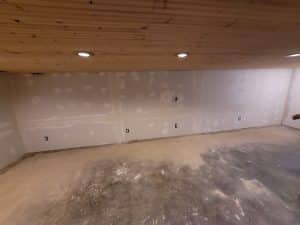
Keeping your basement fresh and free from unpleasant odors is easier than you might think. It’s all about regular maintenance and preemptive measures.
Start by ensuring good ventilation. Open windows or install exhaust fans to circulate air and eliminate stagnant moisture, which breeds mold and causes foul smells.
Next, invest in a dehumidifier. Basements, being below ground level, are prone to dampness. A dehumidifier will help control humidity levels, reducing the chances of mold formation. Remember, it’s important to maintain your dehumidifier regularly for peak performance.
Consider using odor absorbers like activated charcoal, baking soda, or commercial odor eliminators. These absorb excess moisture and neutralize smells. Strategically place them around your basement, especially in areas prone to dampness.
Regular cleaning is also essential. Dust, mold, and mildew can accumulate, producing a musty odor. Use a mixture of water and vinegar or a commercial mold remover to clean walls, floors, and objects. It’s a simple yet effective way to keep your basement smelling fresh.
Lastly, check for any leaks or cracks. Water intrusion can lead to persistent dampness and musty smells. Repair any damages promptly to maintain an odor-free basement.
With these measures, you’ll keep your basement fresh, dry, and welcoming.
Just like a detective sniffs out clues, you’ve tracked down and tackled that musty basement smell. Remember, it’s not just about the unpleasant odor – damp basements can harbor mold, a potential health hazard. Keep up the good work with regular check-ups for leaks, ensuring proper ventilation, and maintaining a dry environment. With these steps, your basement can transform from a dank cave to a fresh, odor-free space. It’s all about vigilance and routine maintenance.

Justin Hidden is the dedicated owner of Basement Systems Waterproofing and Foundation, a trusted company specializing in basement waterproofing and foundation repair. With years of experience in the industry, Justin has built a reputation for delivering reliable, high-quality solutions that protect homes and ensure lasting structural integrity. Under his leadership, Basement Systems Waterproofing and Foundation has become a go-to provider for homeowners in need of expert waterproofing and foundation services. Justin’s commitment to excellent customer service, combined with his technical expertise, has earned the company the loyalty and trust of clients throughout the region. For more information on Justin Hidden and the services provided by Basement Systems Waterproofing and Foundation, visit their website at kmagbasementsolutions.com.