 (309) 701-0897
You’re facing a tough decision: interior or exterior waterproofing. Interior options may be more budget-friendly and simpler to install, but they mainly treat the symptoms of water damage. On the other hand, exterior methods offer a robust barrier against water, providing long-term protection, yet they come with a heavier price tag and more installation challenges. It’s a challenging choice, isn’t it? But don’t worry, just continue on and we’ll help you understand which method might be the best fit for your specific needs.
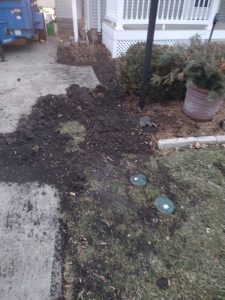
Water seepage, an unwelcome intruder in your home, can lead to significant damage if not addressed properly. Understanding the basics of waterproofing is vital to prevent this.
Waterproofing materials are diverse, including liquid membranes, sheet-based membranes, and cementitious products. Each has unique installation techniques and maintenance requirements. For instance, foundation sealing often involves applying a moisture barrier to prevent water infiltration.
Drainage solutions form another essential component. They help manage water around your property, diverting it away from your home’s structure. These solutions include weeping tiles, French drains, and sump pumps.
When choosing waterproofing materials, consider their environmental impact. Some materials are more sustainable than others, having less harmful production processes and disposal methods.
A cost analysis is also crucial. While some methods may seem expensive upfront, their long-term effectiveness could prove more cost-efficient. For instance, a high-quality moisture barrier might cost more initially but save you repair costs down the line.
Now, let’s turn our attention to the advantages of interior waterproofing.
One of the main benefits you’ll notice is its cost efficiency, which can offer you significant savings in the long run.
Moreover, interior waterproofing is highly effective in preventing potential damage, keeping your property safe and secure.
Surprisingly, many homeowners overlook the significant cost benefits of interior waterproofing.
It’s a common misconception that exterior waterproofing is the only effective method, causing many to bypass considering the interior options.
However, a careful cost analysis may change your mind.
Interior waterproofing offers a host of cost-effective benefits, such as:
Beyond these, interior waterproofing can also help prevent costly repairs from water damage in the long run.
It’s an investment that pays for itself by protecting your home’s structure and maintaining its integrity.
While the cost benefits of interior waterproofing are indeed impressive, there’s more to this method than meets the eye. It plays an essential role in preventing damage to your property.
It’s not only about keeping the basement dry, but also about protecting the very foundation of your home.
Interior drainage systems and sump pumps work hand in hand to divert water away from your home’s foundation. This approach is crucial in preventing structural damage caused by water infiltration.
Moisture barriers and basement sealants further enhance this protection, offering an extra layer of defense against dampness and leaks.
Wall coatings serve dual purposes. They seal your walls from water seepage and add an aesthetic touch to your basement.
Likewise, humidity control is another significant benefit. By keeping the humidity levels in check, you aren’t just improving the air quality but also preventing mold growth, a common issue in damp basements.
Ultimately, interior waterproofing is an investment in your home’s longevity. It’s a comprehensive strategy that includes foundation protection, mold prevention, and humidity control.
With these measures in place, you’re not just waterproofing your property, you’re safeguarding your peace of mind.
While interior waterproofing can be advantageous, it’s not without its drawbacks.
You may find that it offers limited moisture control, potentially leaving some areas prone to dampness.
Furthermore, improper installation could lead to structural damage and higher long-term costs, making it crucial to understand these risks.
Often, interior waterproofing techniques only provide limited moisture control, which can be a significant drawback. Unlike exterior waterproofing methods, interior solutions often focus on managing water that’s already made its way into your home, rather than preventing it from entering in the first place.
This limited moisture control can manifest in a number of ways:
Digging deeper into the drawbacks of interior waterproofing, you might find yourself up against potential structural damage. This is primarily due to the fact that interior systems primarily focus on managing water after it has infiltrated your property, rather than preventing moisture infiltration.
Interior waterproofing methods are primarily designed to manage water that has already entered your property. Unfortunately, these methods aren’t always effective at maintaining foundation stability. Over time, the constant pressure from soil and water can cause significant harm to your home’s structural integrity.
Drainage systems are often installed within the interior of your property to tackle this issue, but they may not be enough for leak prevention. The continuous water exposure can lead to water damage, particularly in construction materials like wood and concrete that are vulnerable to moisture. The wear and tear from this moisture can weaken your infrastructure, leading to possible structural damage.
In other words, while interior waterproofing systems can manage water damage to some extent, they don’t fully eliminate the risk of structural issues. Consequently, it’s crucial to consider these potential long-term effects when deciding between interior and exterior waterproofing.
A key drawback of interior waterproofing you should consider is the higher long-term costs. While it may initially seem like a cost-effective solution, it can become a hefty long term investment. The reason is that interior waterproofing, although effective for minor leaks, doesn’t address the root cause of the water seepage, which usually originates from the outside.
Exterior waterproofing offers several impressive advantages that might just make it the best option for your home.
It’s a comprehensive solution that addresses the root cause of water damage by preventing water from infiltrating your foundation in the first place. This proactive approach makes it a preferred choice for many homeowners.
One significant benefit is the inclusion of effective drainage systems.
These systems work by diverting water away from your foundation, reducing the risk of water seeping into your basement. They’re designed to handle high volumes of water, making them particularly effective during heavy rains.
Another advantage is the improvement in soil grading around your home.
Proper soil grading ensures water flows away from your foundation, rather than pooling around it. This is a critical aspect of exterior waterproofing that can significantly lessen the likelihood of water damage.
Further, exterior waterproofing offers long-lasting protection.
Unlike interior solutions that might require frequent maintenance, once installed, exterior waterproofing systems rarely need any significant upkeep. They’re robust, durable, and designed to withstand harsh weather conditions.
While exterior waterproofing holds several advantages, it’s not without its limitations. For starters, it’s usually more expensive than interior waterproofing. This is due to the extensive excavation and materials required, especially when dealing with well-established properties.
The effectiveness of exterior waterproofing is often contingent on various factors, including drainage systems and soil types. Some types of soil don’t drain well, which can limit the effectiveness of your waterproofing efforts. If the soil around your property retains too much water, it might render your exterior waterproofing less effective.
Here are three notable limitations of exterior waterproofing:
Despite these limitations, exterior waterproofing can still be an effective solution for many properties.
It’s essential to consider these factors when making your decision about whether to opt for interior or exterior waterproofing. Remember, the best solution will depend on various factors, including your budget, the nature of your property, and local soil conditions.
Choosing the right waterproofing method for your property can seem like a daunting task. With a myriad of waterproofing methods, each with its own installation techniques, it can be challenging to figure out which one is right for you.
Key to your decision should be an understanding of moisture barriers and drainage systems, which play integral roles in foundation protection. These systems work together to divert water away from your building, preventing damage and preserving your property value.
Another important consideration is soil grading. Proper soil grading can enhance the efficiency of your waterproofing system by directing water away from your foundation.
Climate considerations also can’t be overlooked. The effectiveness of certain waterproofing methods may vary depending on your local climate, so it’s crucial to select a method that’s suitable for your specific weather conditions.
Maintenance requirements for different waterproofing systems can also vary. Some require regular professional services, which could be a deciding factor depending on your budget and time availability.
When considering cost comparison, exterior waterproofing typically costs more than interior. It’s a more labor-intensive process and involves excavation.
However, budget considerations should also factor in long-term benefits. While interior waterproofing is less expensive initially, exterior waterproofing can prevent more serious structural damage in the long run.
The duration of your waterproofing process depends on the techniques used and the size of the area.
Typically, interior waterproofing can take one to two days, while exterior could take up to a week, weather permitting.
It’s important to remember that project timelines may vary.
Always consult with a professional for an accurate estimate.
Don’t rush the process; it’s better to ensure a thorough job to protect your property effectively.
Yes, there can be environmental impacts associated with both interior and exterior waterproofing.
The materials used and their sustainability plays a key role. For instance, if you’re using non-biodegradable materials, they can harm the environment in the long run.
Also, the disposal of used materials should be done responsibly to prevent pollution.
It’s essential to choose eco-friendly options where possible and consider the effects on the environment.
You can certainly try DIY techniques for waterproofing, but it’s risky if you’re not experienced.
Mistakes can lead to serious water damage. Professional expertise ensures that the job’s done right the first time. They’ll know how to handle unexpected issues and can guarantee their work.
It’s an investment in your property’s future. So, unless you’re confident in your skills, it’s best to hire a professional for waterproofing.
Absolutely, waterproofing can significantly boost your property value.
It’s a great investment as it not only protects your home from potential water damage, but also reassures potential buyers about the structural integrity of the property.
The benefits of waterproofing, be it interior or exterior, include preventing mold growth, safeguarding the foundation, and enhancing living conditions.
Choosing between interior and exterior waterproofing isn’t a one-size-fits-all decision. It’s critical to consider your property’s specific conditions, your budget, and long-term protection needs. While interior waterproofing offers a cost-effective, easy fix, remember it primarily addresses symptoms. On the other hand, exterior waterproofing provides a comprehensive solution but at a higher cost. Weigh your options carefully, taking into account local soil and climate factors, to make the best waterproofing choice for your property.

Justin Hidden is the dedicated owner of Basement Systems Waterproofing and Foundation, a trusted company specializing in basement waterproofing and foundation repair. With years of experience in the industry, Justin has built a reputation for delivering reliable, high-quality solutions that protect homes and ensure lasting structural integrity. Under his leadership, Basement Systems Waterproofing and Foundation has become a go-to provider for homeowners in need of expert waterproofing and foundation services. Justin’s commitment to excellent customer service, combined with his technical expertise, has earned the company the loyalty and trust of clients throughout the region. For more information on Justin Hidden and the services provided by Basement Systems Waterproofing and Foundation, visit their website at kmagbasementsolutions.com.